
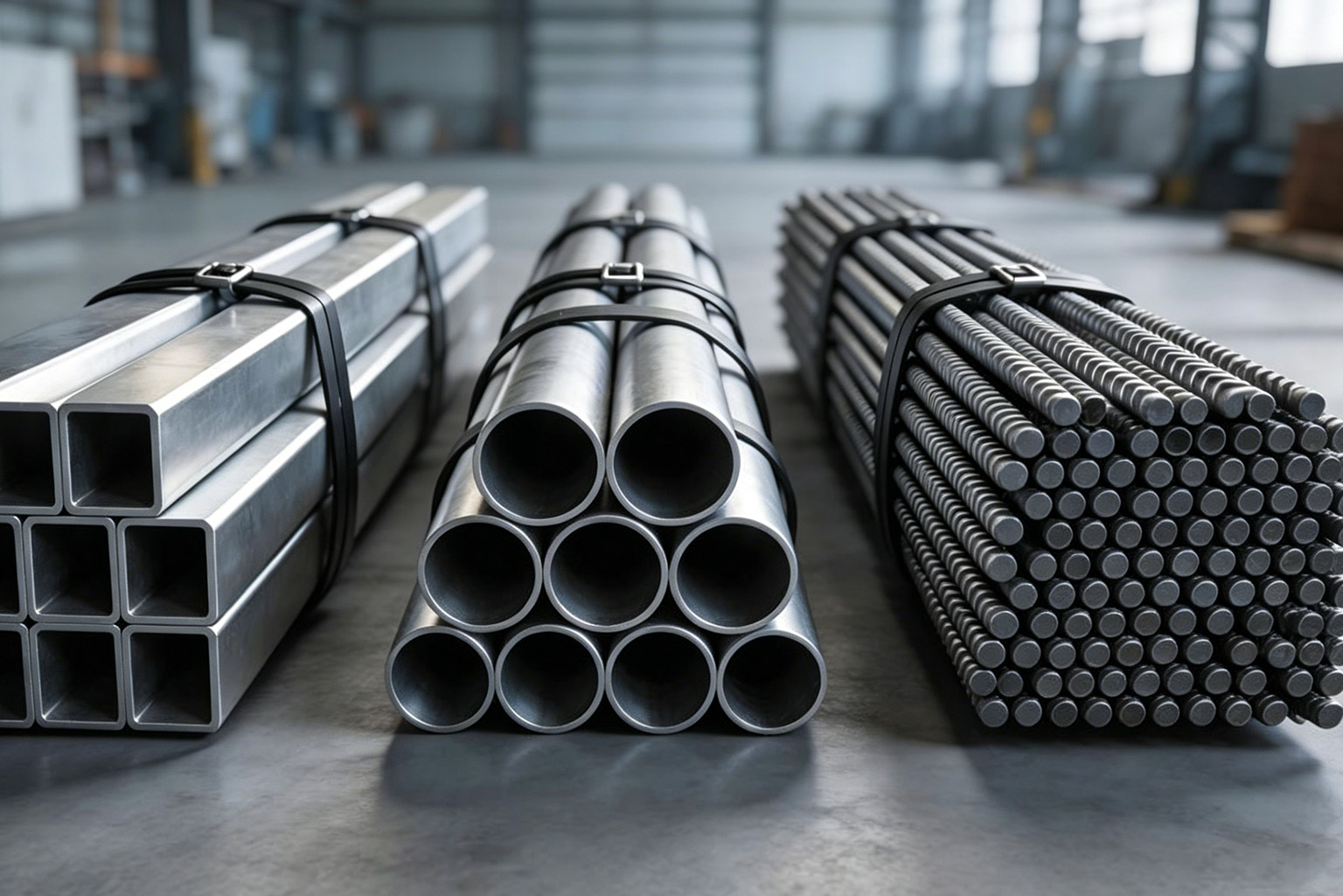
Eco-Friendly Plumbing Upgrades
That Save Money
Sustainable steel production has become a core development trend for modern metal manufacturers, helping factories slash energy consumption and long-term production expenses. Conventional steelmaking relies heavily on fossil fuel combustion, which leads to excessive resource waste and high carbon emissions. By upgrading to recycled steel smelting equipment and green blast furnace technology, steel mills can lower raw material spending while meeting global low-carbon industrial regulations.
Many mid-sized steel enterprises have switched to scrap steel recycling workflows in recent years. Repurposing recycled steel reduces dependence on iron ore imports, effectively hedging fluctuations in international mineral prices. Besides cost savings, eco-friendly steel upgrades also help manufacturers qualify for local green industrial subsidies and expand business access to eco-focused construction and machinery clients.
Phaetra present eget pharetra ut cum quis suspendisse. Adopting circular steel recycling models lets factories cut over 30% of traditional production carbon footprints, a critical advantage amid tightening global carbon tax policies for the steel industry.
Spring Steel Mill Maintenance: Getting Ready for Peak Construction Season Demand
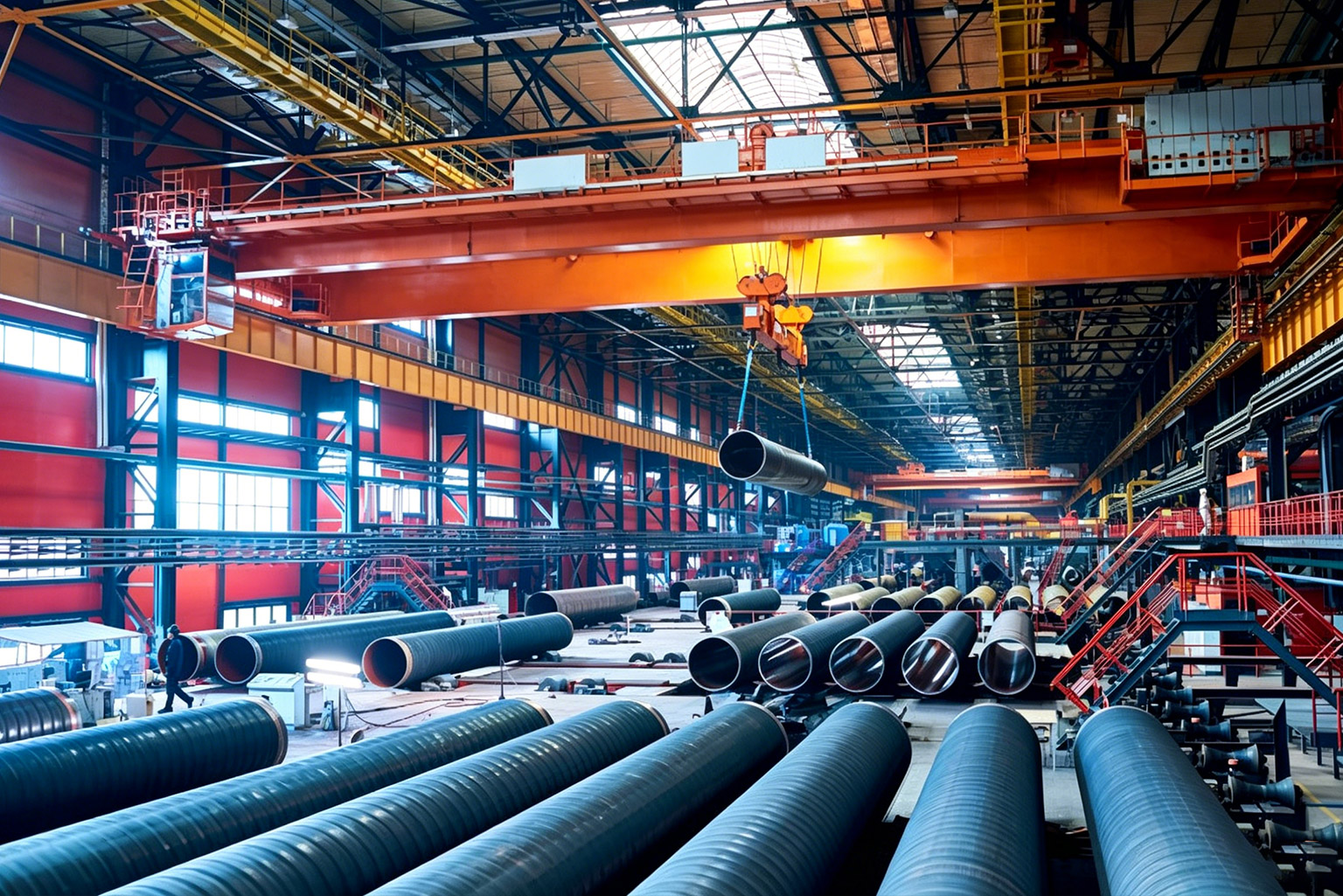
As warmer weather arrives, the global construction sector kicks off annual project expansion, driving surging orders for structural steel, rebar and alloy steel products. Pre-season steel mill maintenance is essential to avoid unexpected production shutdowns during peak demand periods. Core maintenance tasks include inspecting rolling mill equipment, repairing smelter pipeline systems and calibrating raw material feeding machinery.
Routine spring maintenance also covers corrosion checks for stored steel inventories. Humid spring air easily triggers surface rust on unfinished steel products, which downgrades product quality and cuts final sales profits. Professional steel plant technicians recommend regular anti-rust coating retouch and warehouse dehumidification to preserve bulk steel stock before market demand spikes.
Understanding Modern Steel Grades: A Beginner’s Guide for Industry Buyers
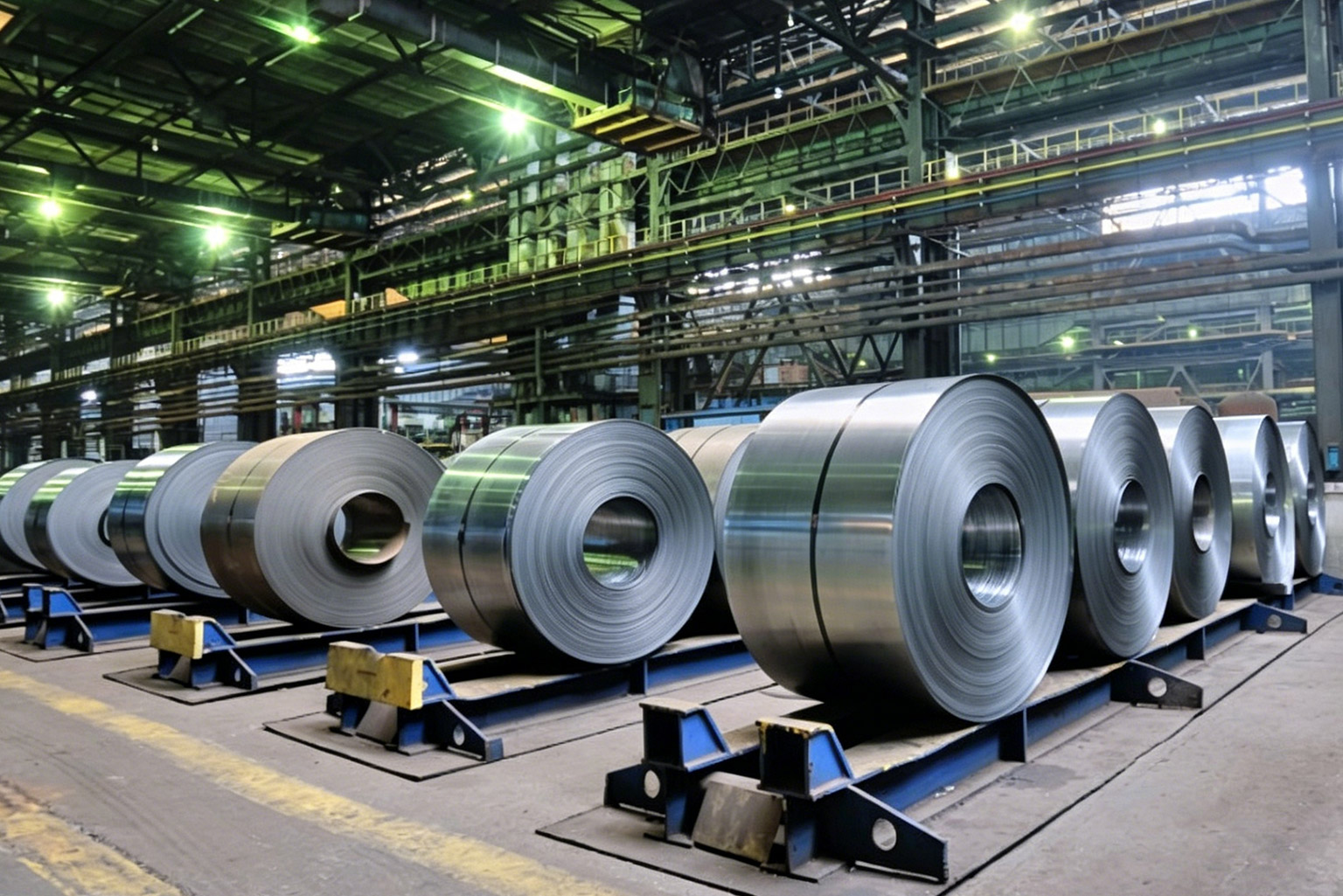
Navigating different steel grades confuses new procurement buyers entering the metal trade market, from carbon steel to stainless steel and specialized alloy steel. Each steel variant features unique tensile strength, corrosion resistance and cost attributes for distinct application scenarios. Low-carbon steel dominates residential construction framing, while high-alloy stainless steel serves pipeline and food-processing equipment manufacturing
Learning basic steel classification rules helps buyers avoid overspending on unnecessary high-grade materials or purchasing substandard steel unsuitable for project load requirements. New market entrants can start by comparing standard industry steel specifications issued by international metallurgy associations to streamline future bulk steel sourcing decisions.