
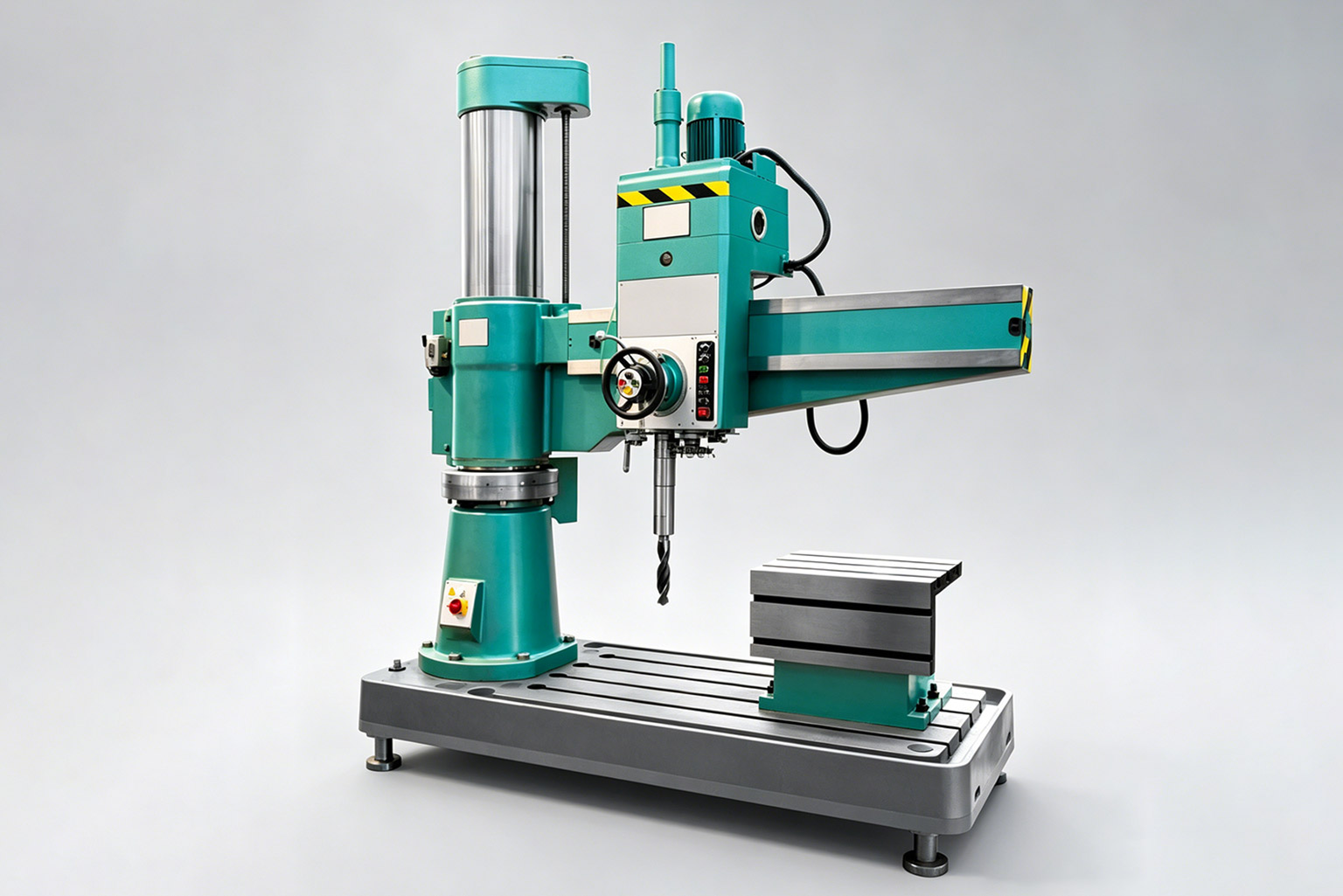
How Reasonable Radial Drill Press Parts Matching Improves Machining Accuracy
Stable machining precision is the core pursuit of mechanical processing factories using radial drill presses. Most long-term accuracy errors in hole drilling, reaming and tapping work are not caused by machine aging, but by mismatched and worn drill press accessories. Key vulnerable parts including spindle bearings, radial arm guide sleeves, feed gears and clamping fixtures directly determine the equipment’s running stability and processing quality
Different processing materials and hole depth requirements demand targeted accessory configuration. For high-precision metal drilling tasks, high-rigidity spindle components can effectively reduce spindle runout; for frequent heavy-duty cutting work, wear-resistant transmission gear sets avoid feed jitter and position deviation. Many mechanical processing workshops have significantly reduced defective product rates after standardizing radial drill press parts replacement and matching standards.
Timely replacement of worn standard parts and reasonable accessory matching can maximize the long-term machining accuracy of radial drill presses and reduce unnecessary processing losses caused by equipment failure.
Daily Inspection & Maintenance Tips for Radial Drill Press in Peak Processing Seasons
With the continuous increase of mechanical processing orders, radial drill presses often run at full load for a long time, making daily standardized maintenance crucial to avoid equipment downtime. The core inspection work covers radial arm lifting systems, spindle rotation components, hydraulic clamping parts and cooling circulation accessories.
Long-term high-intensity operation easily leads to loose guide rail gaps, insufficient gear lubrication and aging of hydraulic seals. Professional equipment operators need to regularly clean guide rail impurities, replenish special lubricating oil, and test hydraulic clamping pressure. Regular daily maintenance can effectively prevent common faults such as inaccurate drilling position, unsmooth arm movement and equipment jamming, ensuring stable and efficient production progress.
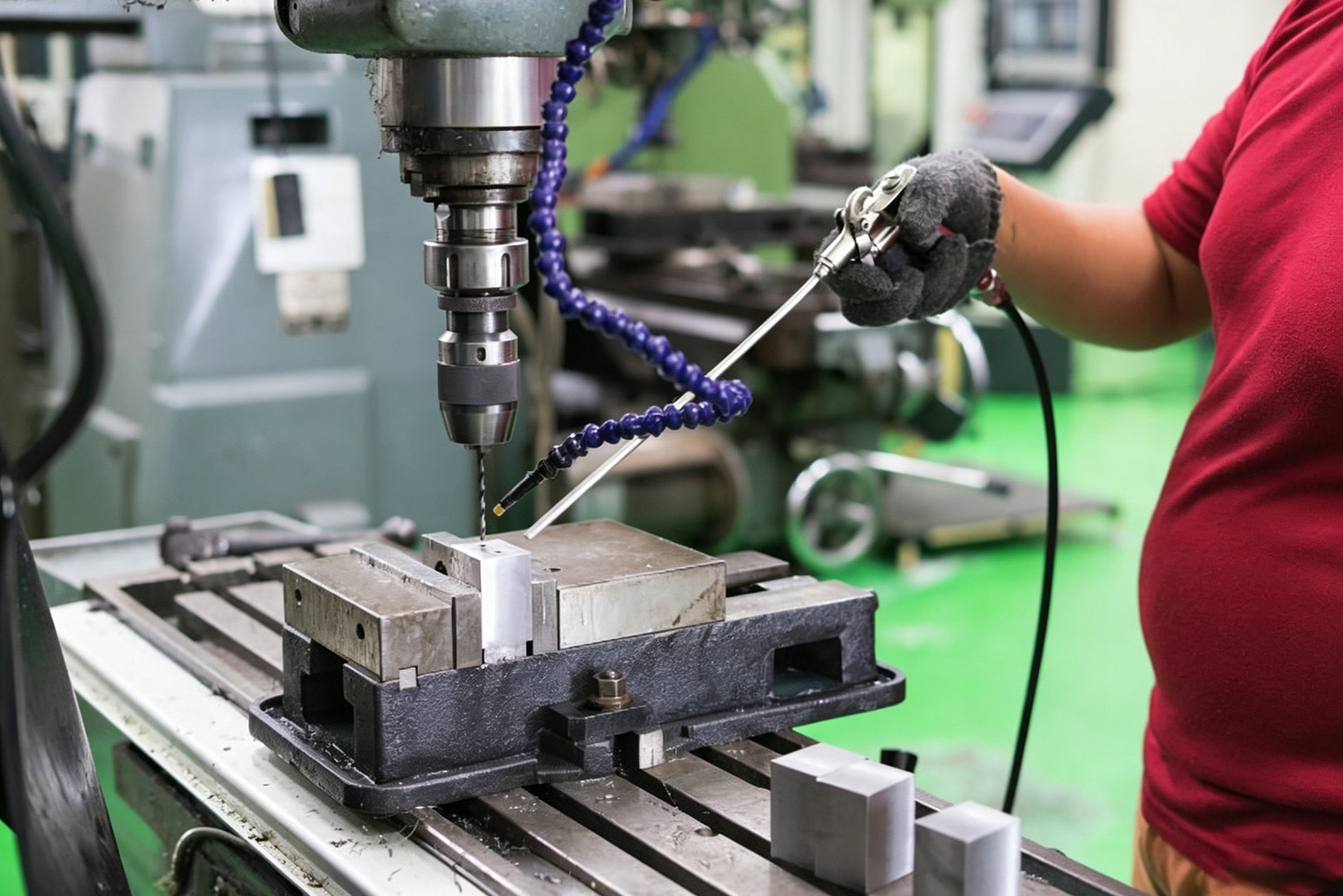
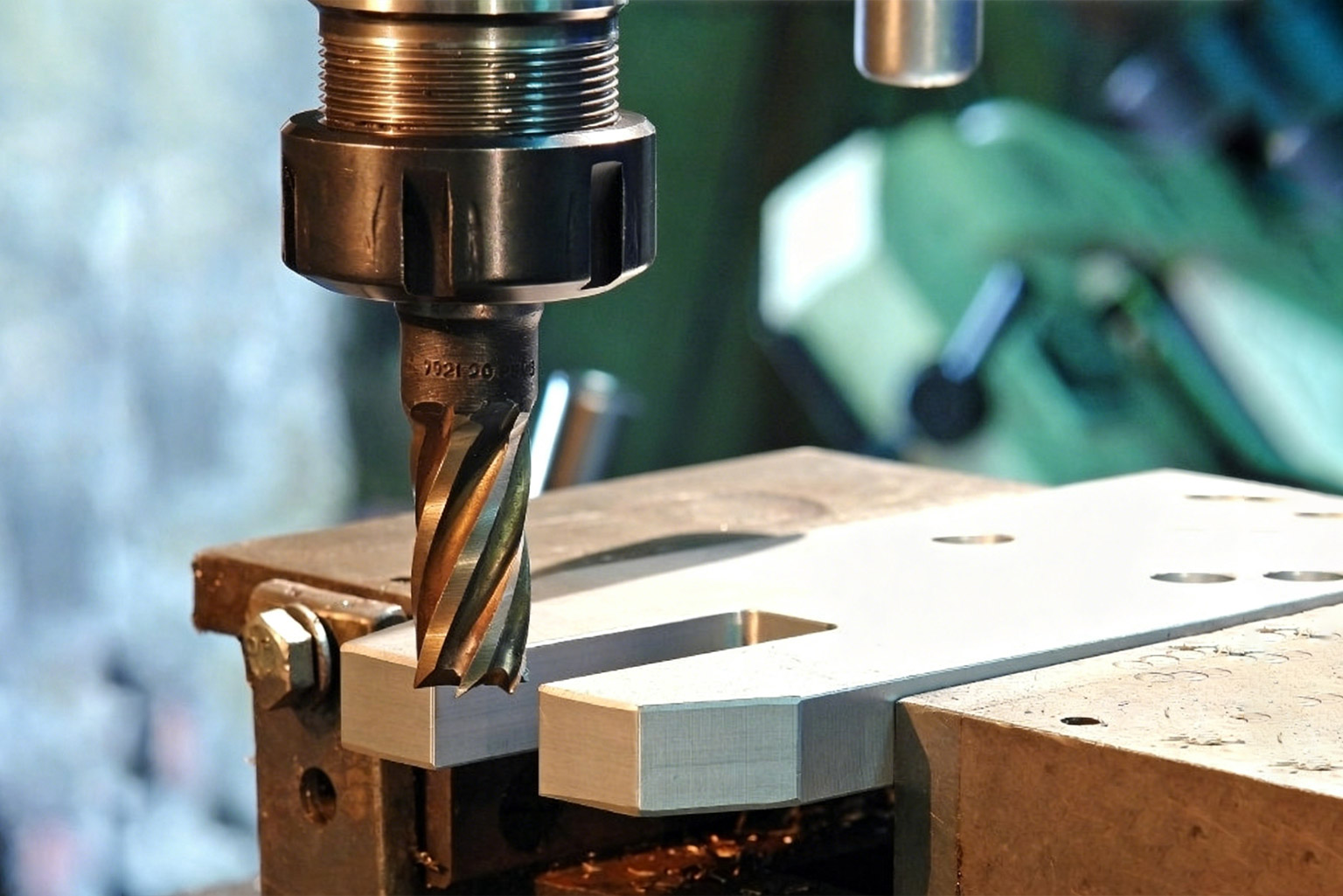
Radial Drill Press Basics: A Simple Selection & Use Guide for New Operators
For new factory operators and procurement personnel, distinguishing the models and application scenarios of radial drill presses is the basis for efficient processing. Radial drill presses are mainly divided into mechanical type and hydraulic type, with obvious differences in clamping mode, drilling stroke and load capacity.
Mechanical radial drill presses feature simple operation and cost-effectiveness, suitable for conventional light and medium drilling tasks; hydraulic radial drill presses adopt full hydraulic clamping and variable speed regulation, which is more suitable for heavy-duty, high-precision and large-scale workpiece processing. Understanding the equipment’s basic performance and applicable scenarios helps users select the right machine and supporting parts, avoiding low processing efficiency and equipment wear caused by improper use.