
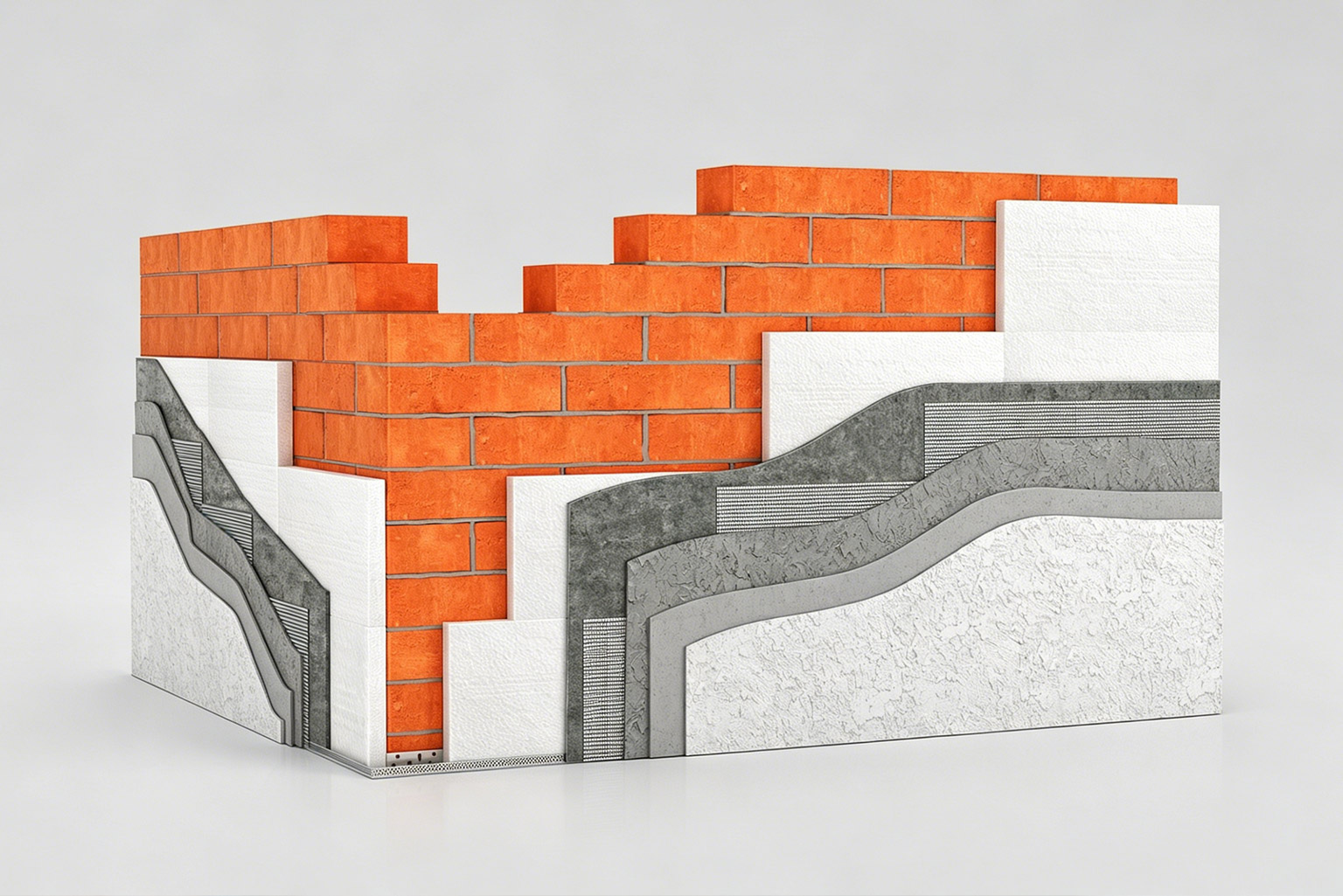
How Proper Exterior Wall Material Selection Enhances Building
Building exterior walls face long-term exposure to complex outdoor conditions, making the selection of exterior wall materials the key factor determining building service life and overall performance. Many construction projects encounter common problems such as wall cracking, peeling, fading and hollowing after several years of use, which are mostly attributed to unsuitable material selection rather than poor construction techniques.
Different regional climates and building types require targeted exterior wall material matching. For coastal buildings with high humidity and salt spray, anti-corrosion and waterproof exterior wall panels and coatings are ideal choices to resist salt erosion; for northern areas with large temperature differences, crack-resistant and thermal-insulation exterior wall materials can effectively avoid structural damage caused by thermal expansion and contraction. Standardized material selection greatly reduces later wall maintenance and renovation costs for construction projects.
Scientific selection of exterior wall materials based on local climate and building functional requirements is the most cost-effective way to maintain long-term wall stability and reduce repeated renovation work.
Regular Exterior Wall Inspection & Maintenance for Long-Term Building Stability
With the arrival of high-temperature and rainy seasons, building exterior walls are prone to various aging and damage problems, making regular inspection and maintenance essential for property management and construction teams. Daily wall maintenance focuses on checking surface coating integrity, seam tightness, wall waterproof layers and external decorative structures.
Long-term wind, rain and ultraviolet radiation will cause coating aging, seam cracking and partial peeling of exterior wall materials. Professional maintenance personnel need to repair tiny cracks in time, clean wall surface dirt and aging attachments, and reinforce loose decorative parts. Timely daily maintenance can effectively prevent large-area wall damage, water seepage and insulation failure, ensuring the safe and stable use of buildings
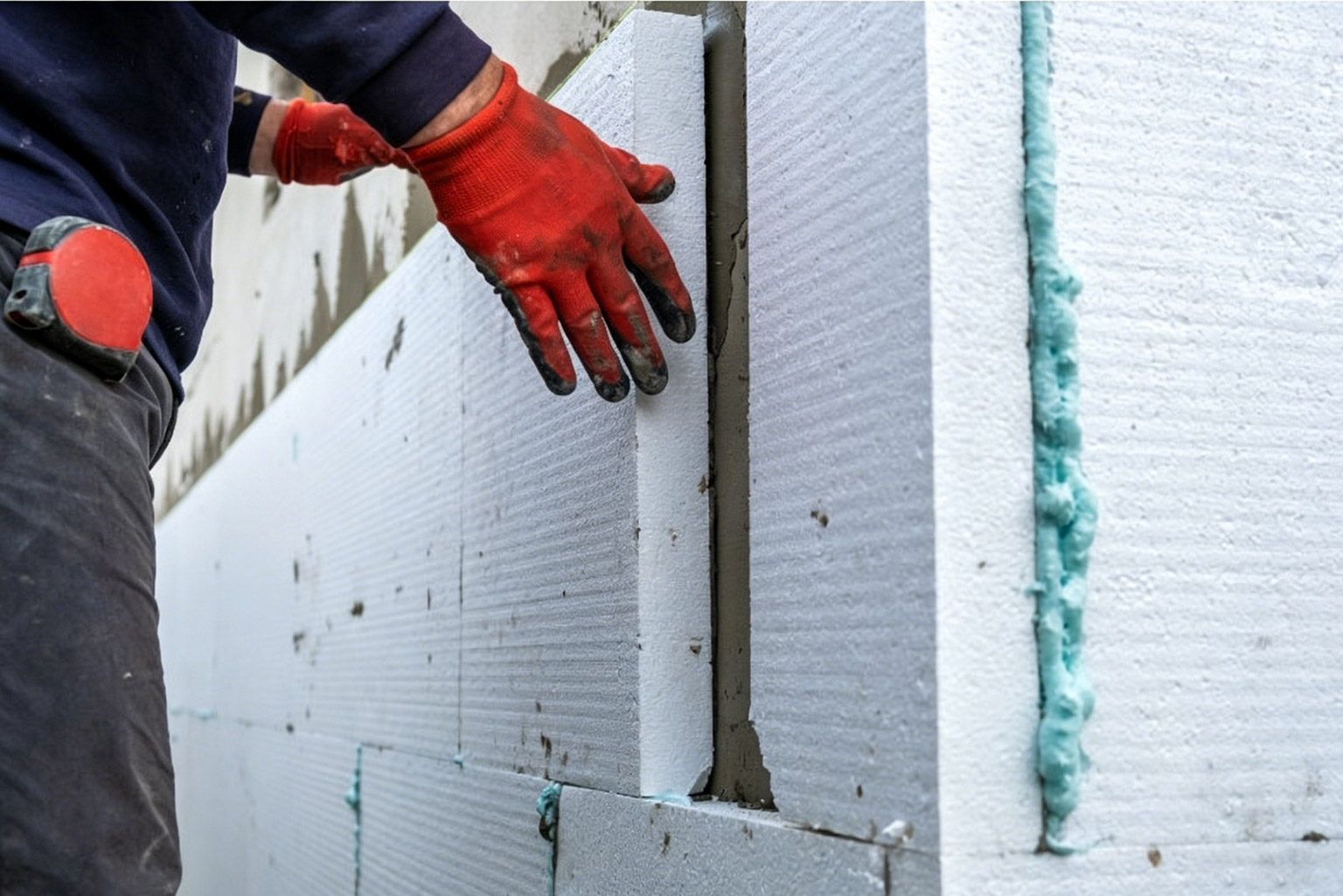
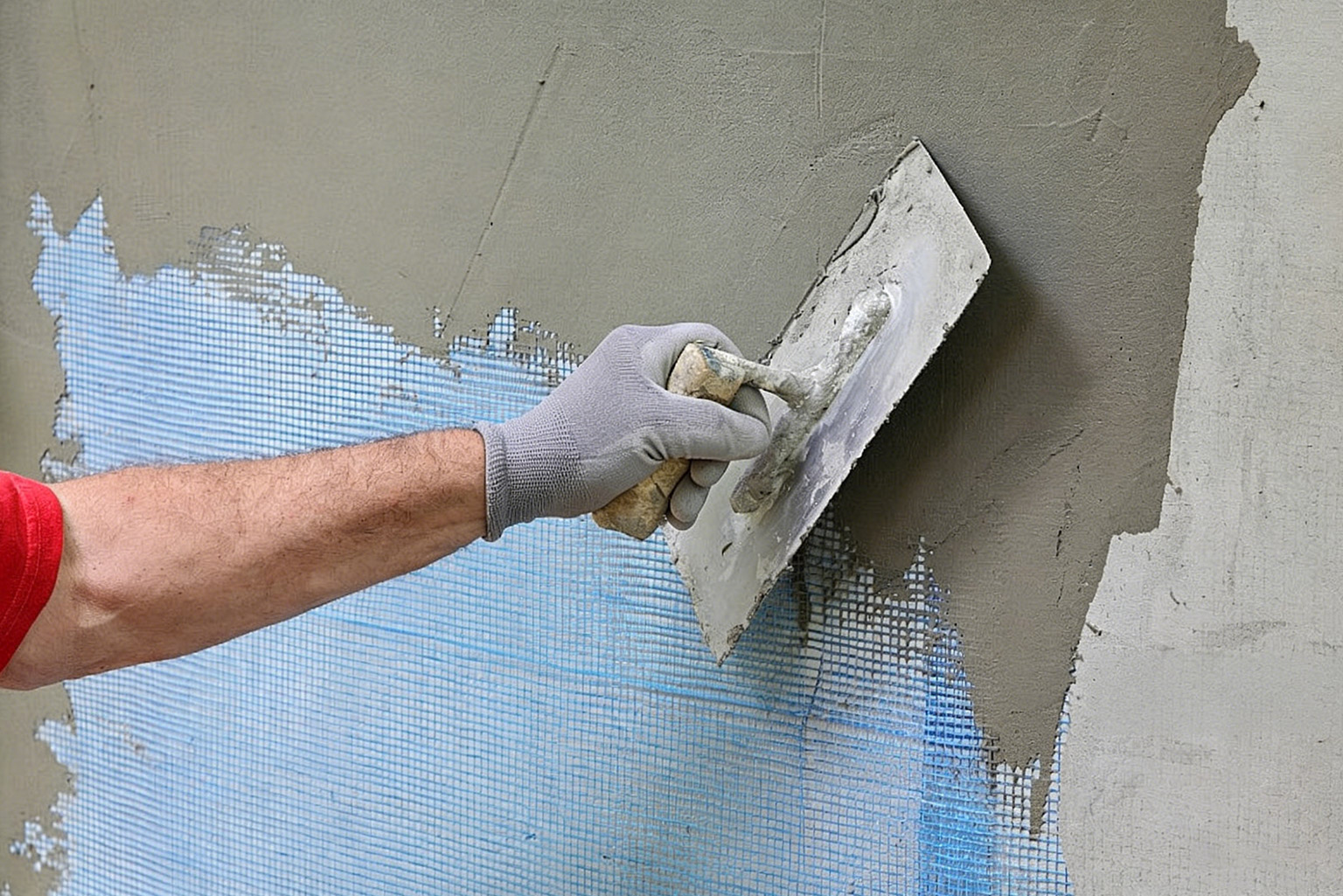
Common Exterior Wall Material Types: A Beginner’s Selection Guide for Projects
New construction purchasers and project managers often face confusion when choosing exterior wall materials, as multiple mainstream materials have distinct performance characteristics and application ranges. The most commonly used exterior wall materials include exterior wall coatings, thermal insulation integrated panels, aluminum veneers, and cultural stone materials, each with unique advantages.
Exterior wall coatings feature low cost and rich color options, suitable for residential and ordinary commercial buildings; thermal insulation integrated panels integrate heat preservation and decoration, ideal for energy-saving renovation projects; aluminum veneers are lightweight, durable and highly decorative, widely used in high-rise commercial buildings. Mastering the basic performance of different exterior wall materials helps users make accurate selection according to project positioning, budget and usage scenarios.