
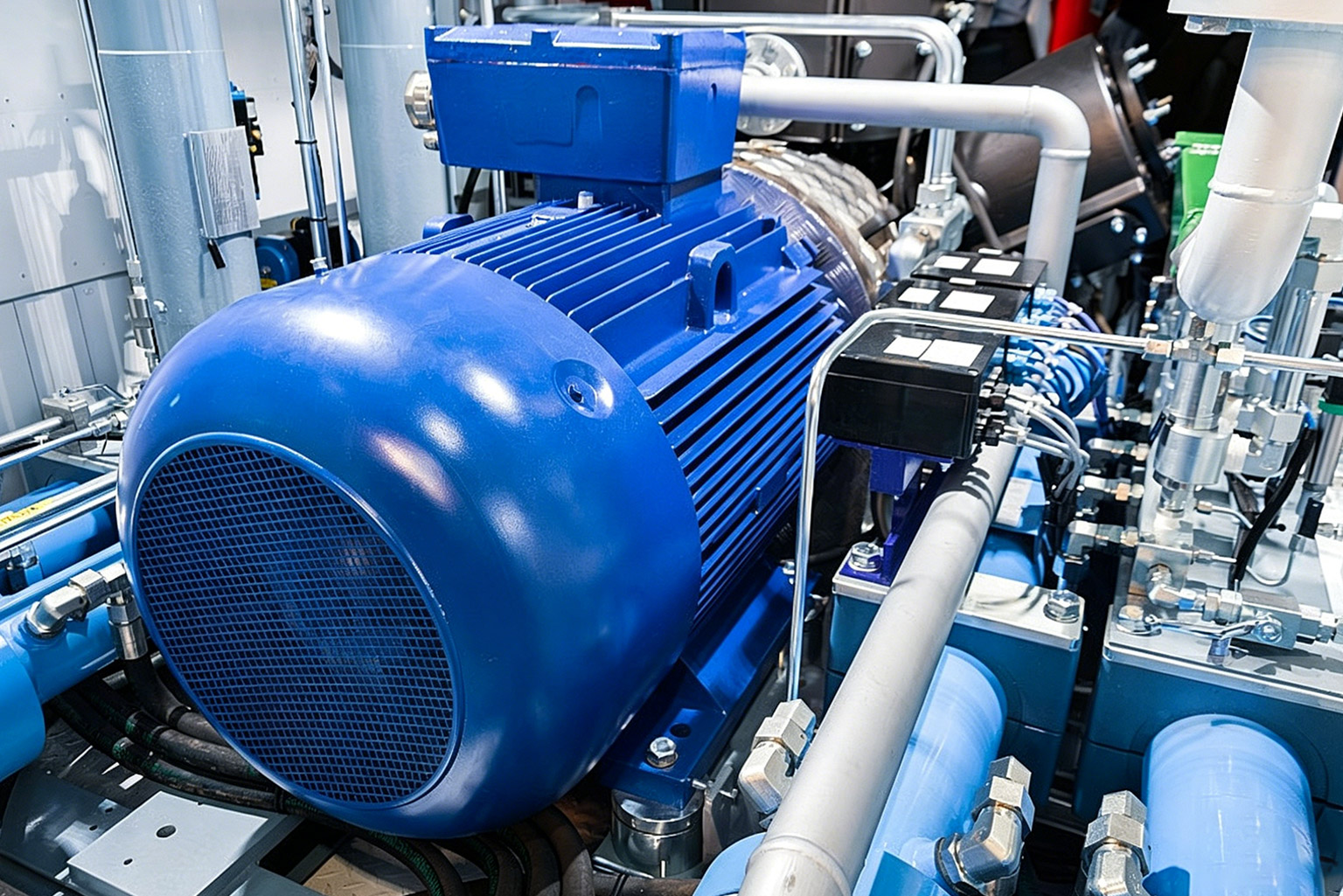
Practical Air Compressor Component Matching to Reduce Long-Term Operating Cost
Proper matching of spare parts directly affects the whole running cost of industrial air compressors, which is a key knowledge point for factory equipment managers. Many enterprises install mismatched filters, oil cores and sealing gaskets blindly to save short-term purchase cost, triggering frequent high temperature shutdown, increased power consumption and accelerated host wear.
Selecting air compressor accessories according to actual working environment is the most efficient optimization solution. Factories with dusty production workshops need high-efficiency air intake filters to block particle impurities; workshops with continuous all-day operation adopt wear-resistant screw rotor accessories to extend overhaul cycles. Plenty of manufacturing workshops cut annual maintenance expense by over 28% after standardized parts matching.
Blindly using cheap non-standard spare parts will shorten the air compressor’s overall service life, and extra power consumption will far exceed the temporary savings on component procurement.
Pre-season Air Compressor Maintenance Before Peak Production Rush
Most processing factories step into full-load production as orders rise seasonally, making pre-inspection and maintenance of air compressors essential preparation work. Daily maintenance focuses on checking oil separation assemblies, cooling system fittings, drain valves and pressure sensing accessories.
Long time of intermittent shutdown causes lubricating oil deterioration and aging of rubber pipelines on standby compressors. Equipment technicians replace expired filter elements and test pipeline tightness in advance to prevent unexpected air leakage or sudden machine halt during intensive production hours. Standard pre-maintenance effectively avoids production suspension caused by sudden compressor breakdown.
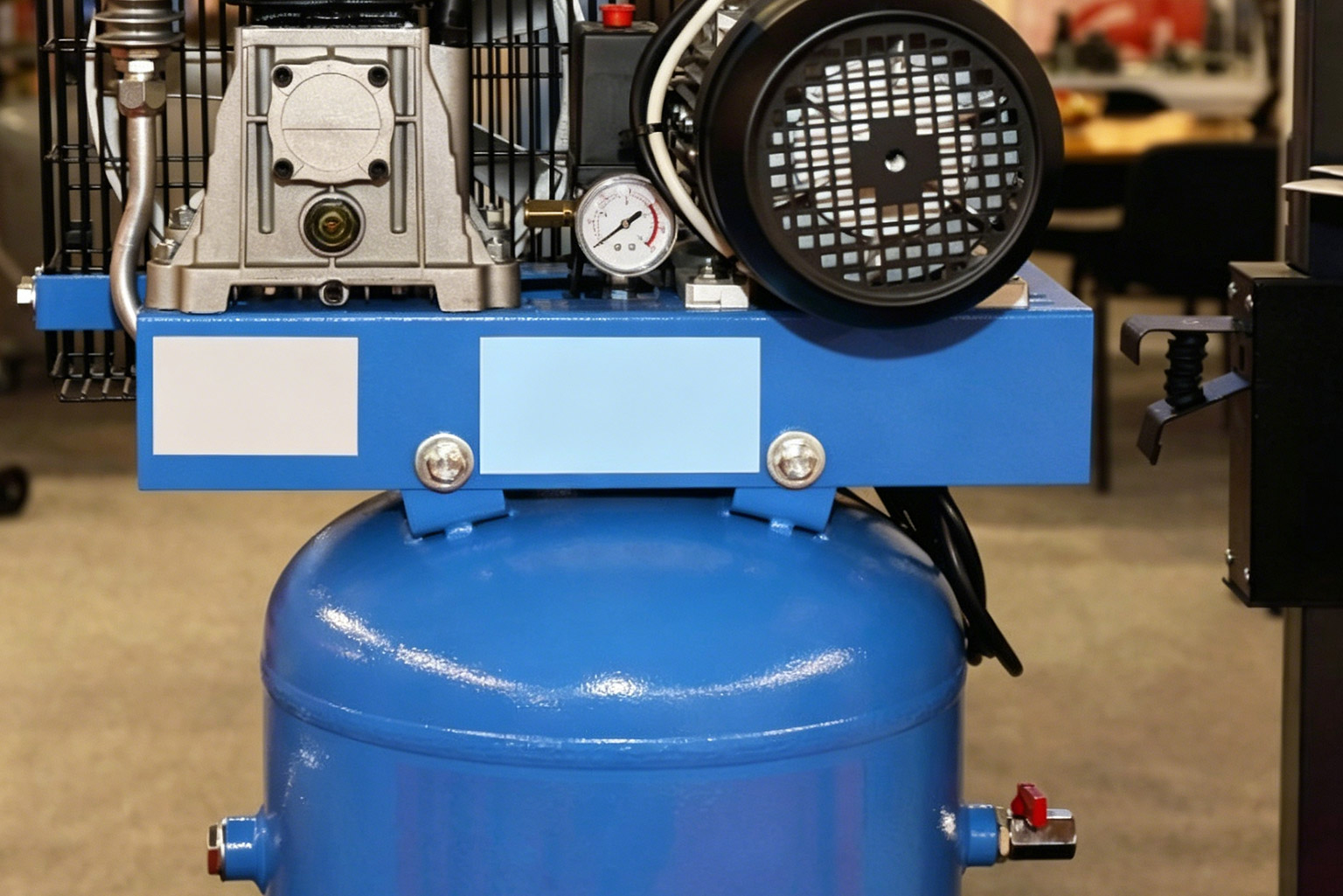
Basic Types of Industrial Air Compressors: A Beginner’s Selection Guide
New factory purchasers often struggle to choose suitable air compressors among screw, piston and scroll types, as each model is designed for different air output and working conditions. Piston compressors fit small intermittent-use workshops with low air demand; screw air compressors are mainstream for large factories needing 24-hour continuous stable air supply. .
Understanding core configuration differences helps buyers avoid overinvestment on oversized equipment or buying low-capacity compressors unable to satisfy workshop production. Beginners can confirm required air consumption and working pressure first to complete targeted model and accessory selection.