
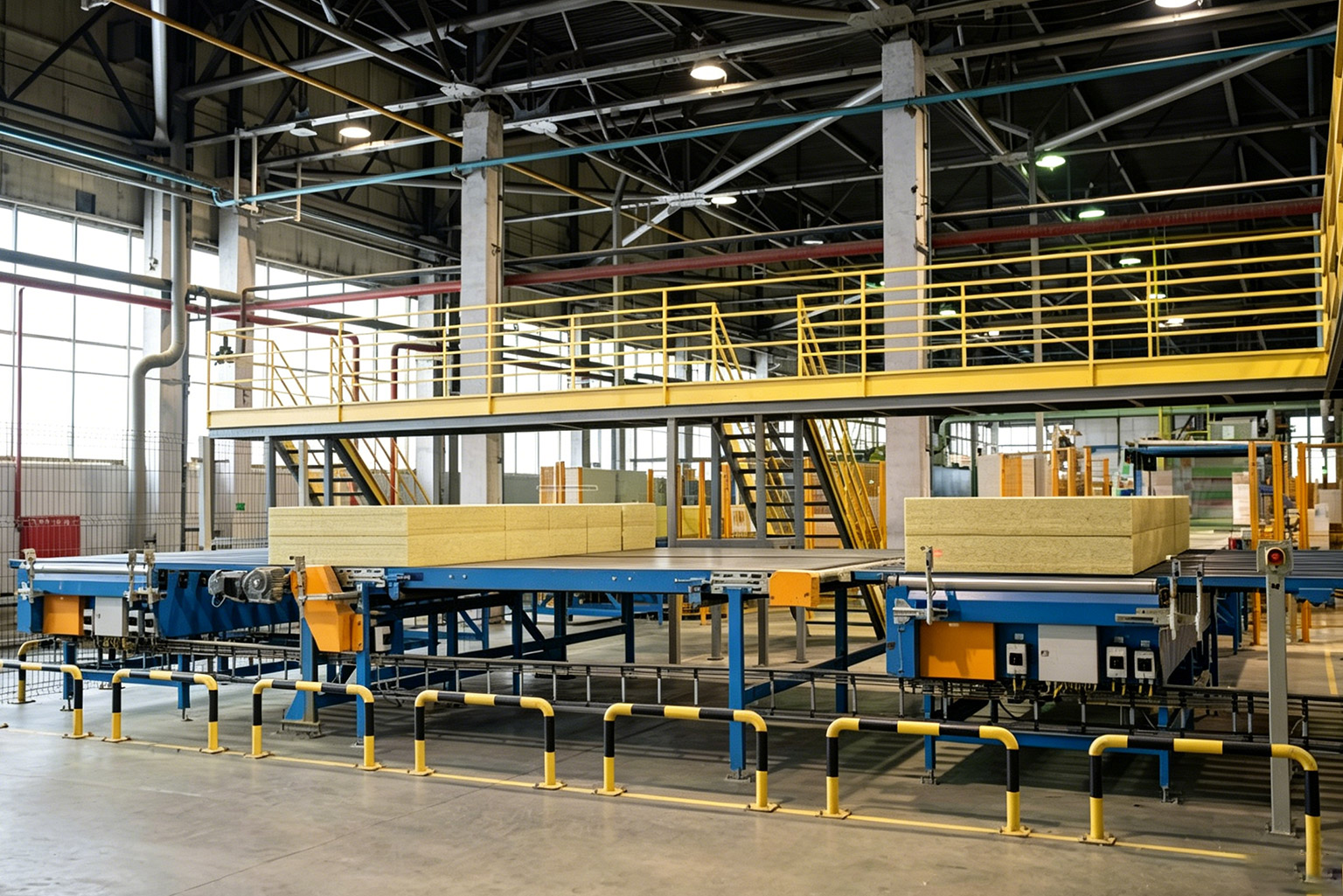
How Rock Wool Insulation Boards Improve Building Thermal Performance
Thermal insulation is an essential part of modern building exterior and wall construction, and rock wool insulation boards have become one of the most widely used thermal insulation materials in the construction industry. Many buildings suffer unstable indoor temperature, excessive heat loss and poor thermal resistance due to the use of low-performance insulation materials, affecting building comfort and long-term usability.
Rock wool insulation boards feature excellent thermal resistance, stable structural performance and strong adaptability for various building scenarios. Made from natural basalt and mineral slag through high-temperature melting and fiber forming, this insulation material can effectively block heat transfer in hot summers and reduce indoor heat loss in cold winters. Reasonable laying of rock wool insulation boards on exterior walls, roofs and partition walls significantly optimizes overall building thermal performance and maintains stable indoor temperature throughout the year.
High-quality rock wool insulation boards deliver consistent thermal insulation performance in all seasons, serving as a reliable core material for standardized building thermal insulation and wall renovation projects.
Key Installation & Protection Tips for Rock Wool Insulation Board Projects
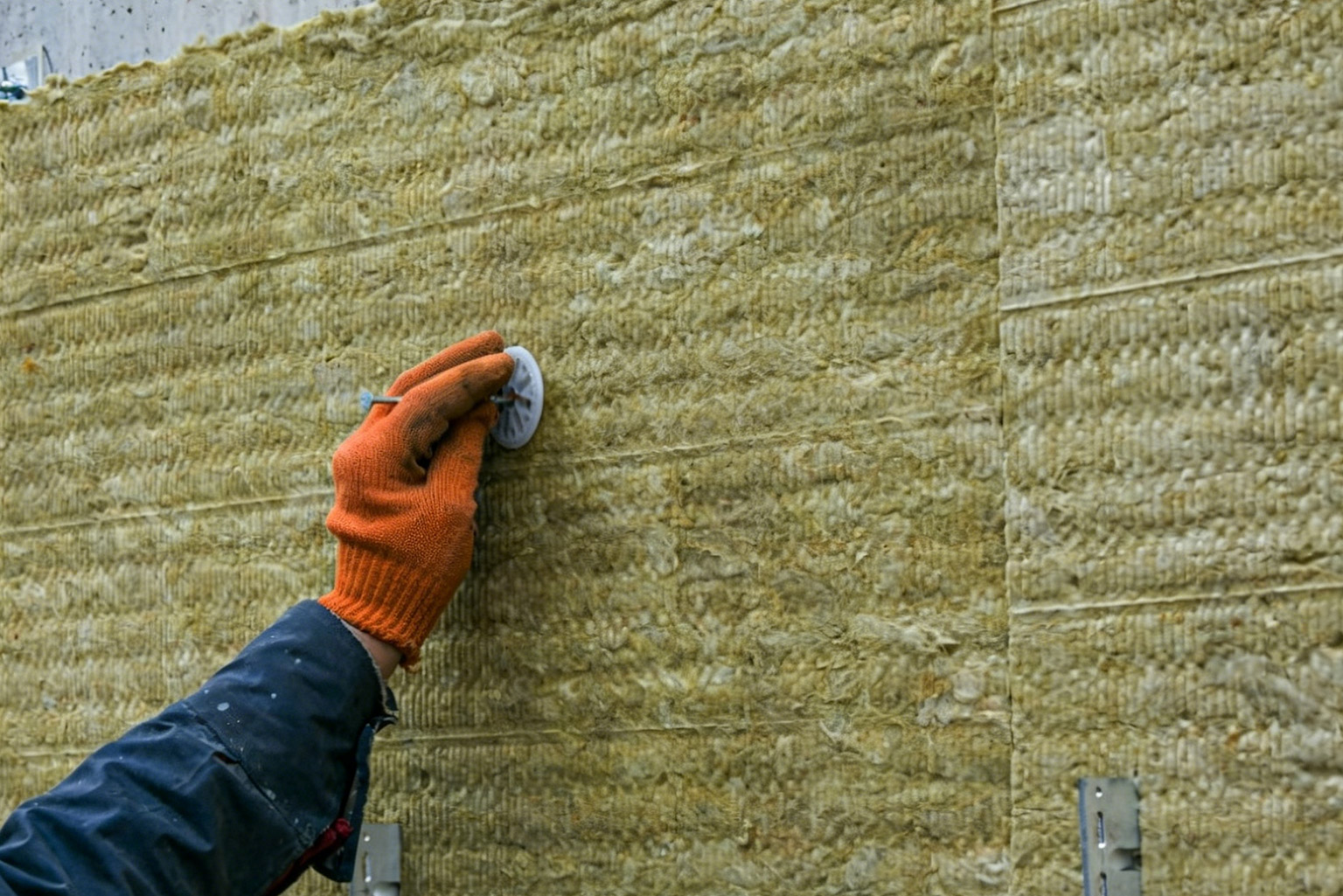
Standard installation and daily protection determine the actual service effect and lifespan of rock wool insulation boards in building projects. In complete exterior wall insulation systems, construction teams need to focus on board fixing, seam processing, surface covering and overall waterproof protection during construction.
Unstandardized stitching and loose fixing often cause air gaps, which greatly reduce the thermal insulation effect of rock wool boards. In addition, exposed rock wool materials are prone to moisture absorption in humid weather, leading to material deformation and performance attenuation. Professional construction processes including tight seam filling, anchor fixing and protective mortar covering can effectively avoid common construction problems and ensure long-term stable insulation performance of rock wool boards.
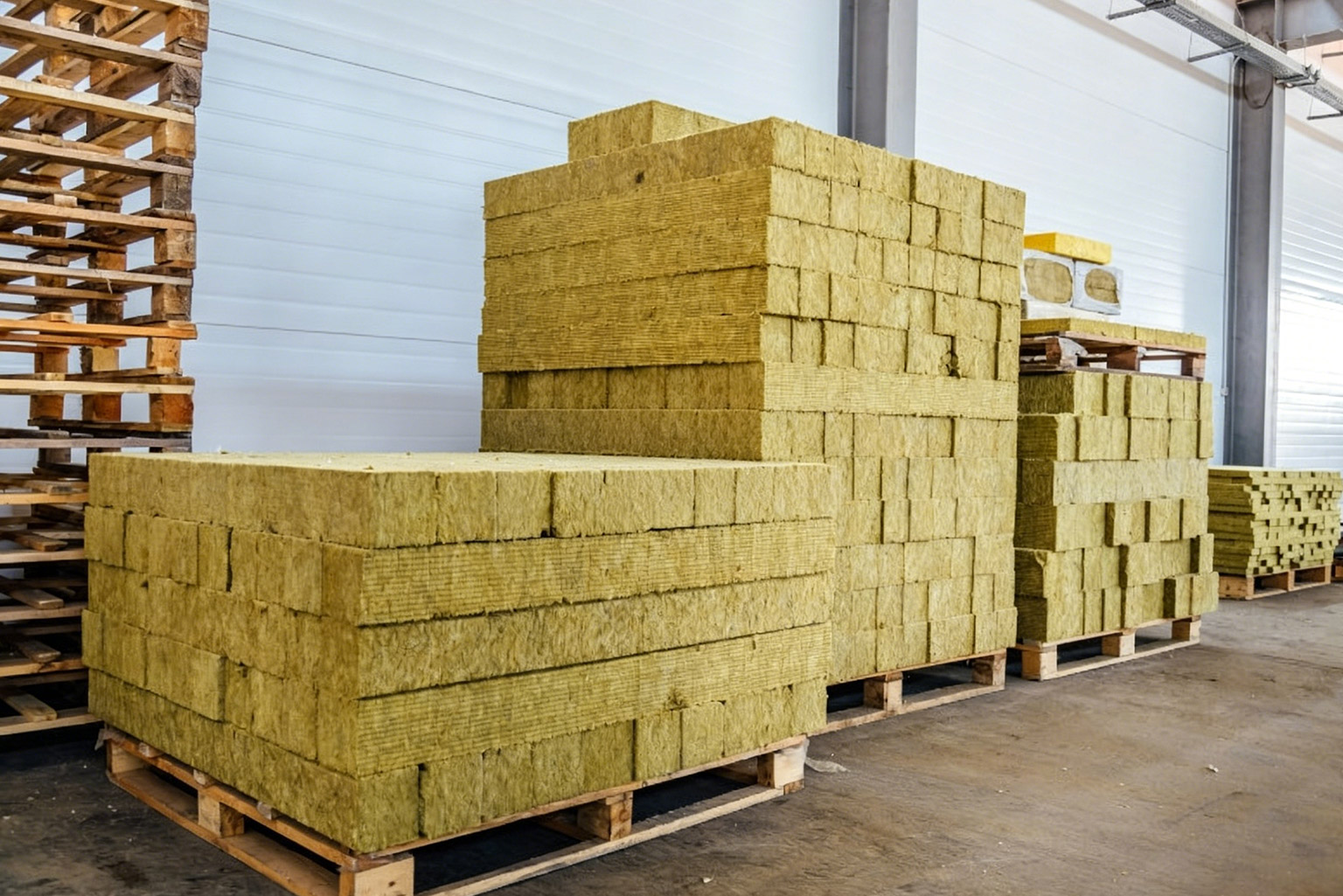
Rock Wool Insulation Board Basics: Application & Selection Guide for Builders
New project purchasers and construction technicians need to master basic knowledge of rock wool insulation boards to complete accurate material selection. As a mainstream inorganic thermal insulation material, rock wool boards have different density, thickness and fire-rating specifications for diverse construction scenarios.
Low-density rock wool boards are suitable for indoor partition and ceiling insulation; medium and high-density rock wool boards with higher compression resistance are more suitable for exterior wall external insulation and roof insulation projects. Besides thermal insulation, rock wool boards also possess outstanding fire resistance and sound absorption properties, making them applicable for industrial plants, commercial buildings and residential communities. Distinguishing material specifications helps users select matched rock wool insulation boards to meet project design standards.